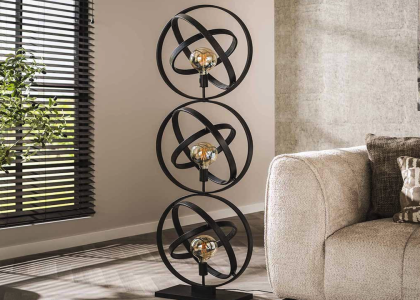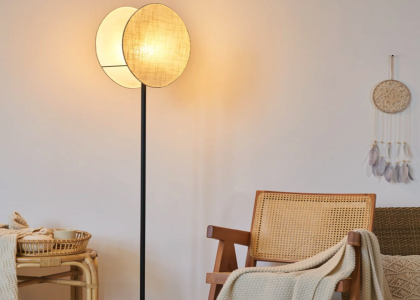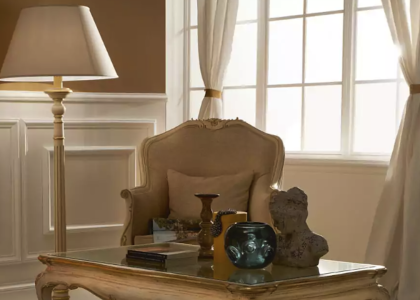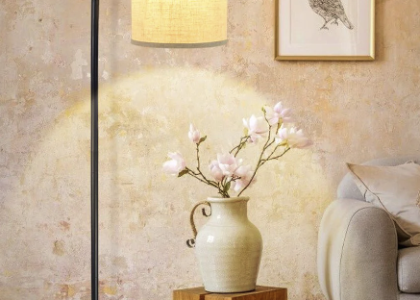
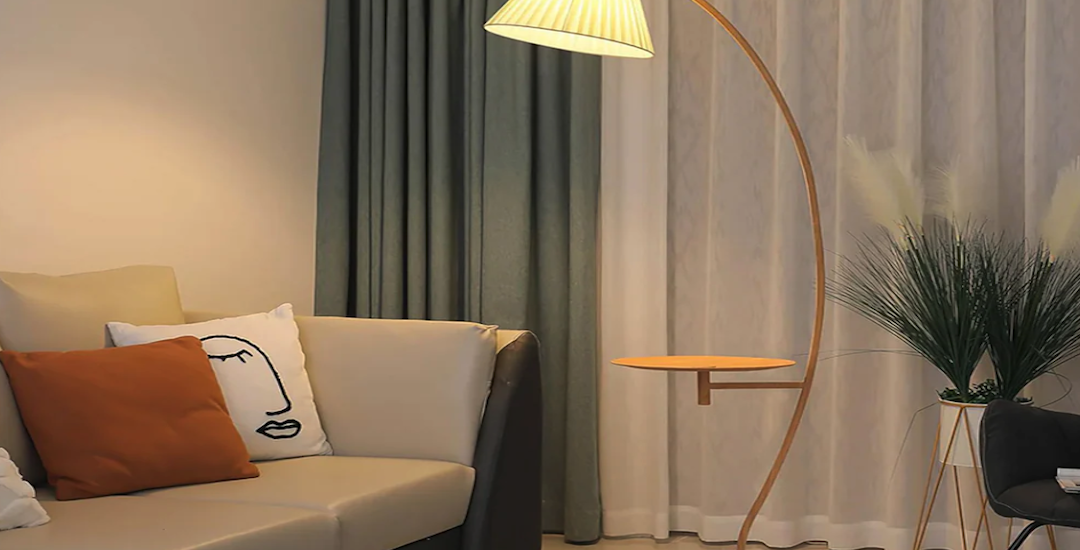
A floor lamp with a fabric shade serves as both a light source and a decorative element. This article explores the various aspects of integrating such a lamp into interior design, covering its design characteristics, functional advantages, and considerations for selection and placement.
The design of a fabric shade floor lamp encompasses its form, materials, and the interplay between light Looou and shadow it creates. These lamps are not merely utilitarian objects but contribute to the overall ambiance and aesthetic of a room.
Form and Structure
Floor lamps generally consist of a base, a pole or stand, and a shade. The variety of forms available allows for integration into diverse interior design styles.
Base Design
The base provides stability and can be a significant design feature. Bases range from simple, flat discs to ornate, sculpted forms. Materials often include metal (steel, brass, bronze), wood, marble, or ceramic. The weight and diameter of the base are crucial for preventing the lamp from tipping, especially if the lamp has an extended arm or is positioned in a high-traffic area. For example, a heavy marble base anchors a tall, slender lamp, providing both structural integrity and a touch of refinement.
Pole and Column Styles
The pole or column, which connects the base to the shade, also varies in design. Straight, cylindrical poles are common for a minimalist look, while tapered, fluted, or twisted designs offer a more decorative approach. Articulated poles, incorporating hinges or adjustable sections, allow for greater flexibility in directing light. The material of the pole often matches or complements the base, maintaining visual consistency.
Shade Shape and Size
The fabric shade is the defining element of this type of lamp. Shapes include drums, cones, squares, and rectangles. A drum shade, for instance, offers an even diffusion of light, creating a soft glow. Conical shades direct light predominantly downwards, providing more focused illumination. The size of the shade should be proportionate to the lamp’s overall height and the scale of the room to avoid visual imbalance. An oversized shade in a small room can dominate the space, while a diminutive shade in a large room may appear insignificant.
Material Selection
The choice of fabric for the shade significantly influences the lamp’s appearance and the quality of light it emits.
Fabric Types
Common fabric choices include linen, cotton, silk, and synthetic blends. Linen shades offer a natural, textured look and diffuse light gently. Cotton provides a versatile option, available in various weaves and colors. Silk, often used for more luxurious designs, produces a luminous, elegant glow. Synthetic fabrics can offer durability and resistance to fading, making them practical for specific environments. The weave density and color of the fabric also affect light transmission; a tighter weave or darker color will block more light, resulting in a more subdued illumination.
Frame Materials
The internal frame of the shade, which supports the fabric, is typically made from metal wire. The quality of this frame contributes to the shade’s longevity and ability to maintain its shape. The finish of the metal frame can also complement the overall design, with options such as polished chrome, brushed nickel, or antique brass.
Functional Advantages
Beyond their aesthetic contribution, fabric shade floor lamps offer practical advantages in interior lighting. They provide ambient, task, and accent lighting, depending on their design and placement.
Light Diffusion
Fabric shades excel at diffusing light. Unlike bare bulbs or highly reflective shades, fabric softens the emitted light, reducing harsh glare and creating a more comfortable visual environment. This diffused light contributes to a warmer, more inviting atmosphere.
Ambient Lighting
Many fabric shade floor lamps provide excellent ambient lighting, illuminating a general area without being overly bright. This is particularly true for lamps with translucent shades that allow light to pass through evenly across their surface. Ambient lighting is foundational for creating a welcoming space, serving as a primary light source in many living rooms or bedrooms.
Task Lighting
Some fabric shade floor lamps are designed for task lighting. These often feature an articulating arm or an adjustable head that allows the user to direct light precisely onto a reading area, workstation, or hobby space. The diffused light from the fabric shade can reduce eye strain, which can be beneficial for activities requiring prolonged visual focus. For example, an adjustable floor lamp with a conical shade positioned next to an armchair provides focused light for reading without causing glare.
Accent Lighting
When placed strategically, fabric shade floor lamps can also serve as accent lighting, highlighting architectural features, artwork, or plants. The soft glow can draw attention to specific elements without overwhelming them. A lamp positioned behind a large plant, for instance, can create dramatic shadows and highlight the plant’s form.
Versatility in Placement
The portability of floor lamps allows for flexible placement within a room, adapting to changing needs and décor arrangements.
Room Layout Integration
Floor lamps can fill empty corners, provide light for seating areas, or define various zones within an open-plan space. Their ability to be easily moved makes them adaptable to evolving room layouts. In a living room, a floor lamp can illuminate a conversation area, while in a bedroom, it might flank a bed or illuminate a dressing table.
Space Optimization
Unlike table lamps that require surface space, floor lamps occupy floor space, which can be advantageous in smaller rooms or areas where surface space is at a premium. A slender floor lamp can provide illumination without cluttering side tables or consoles.
Considerations for Selection
Choosing an appropriate fabric shade floor lamp involves evaluating several factors, including room size, existing décor, and desired lighting effects.
Scale and Proportion
The scale of the lamp relative to the room and other furniture is critical. A lamp that is too small can appear lost, while one that is too large can overwhelm the space.
Room Size Correlation
Large rooms can accommodate taller, more substantial floor lamps. Conversely, smaller rooms benefit from slender or more compact designs that do not disrupt the visual flow. Consider the ceiling height; a very tall lamp in a low-ceilinged room might appear disproportionate.
Furniture Harmony
The lamp should complement adjacent furniture. For example, a sleek, modern lamp might clash with a room furnished in a rustic style. Consider the height of seating – the light source from a task lamp should be positioned to provide illumination at eye level or slightly above when seated, minimizing glare.
Style Compatibility
The lamp’s style should align with the overall aesthetic of the room, whether it is traditional, modern, minimalist, or eclectic.
Traditional Designs
Traditional fabric shade floor lamps often feature ornate bases, classic pole designs (e.g., fluted, reeded), and shades in materials like silk or linen, sometimes with decorative trims. Finishes such as antique brass or bronze are common. These lamps contribute to a sense of formality and timeless elegance.
Modern and Contemporary Designs
Modern lamps typically feature clean lines, geometric shapes, and a minimalist aesthetic. Finishes like polished chrome, brushed nickel, or matte black are prevalent. Shades are often simple drums or squares, made from plain cotton or linen. These lamps emphasize functionality and a sleek appearance.
Eclectic Integration
For eclectic interiors, a fabric shade floor lamp can be selected as a focal point or as an element that bridges different styles. For example, a lamp with a classic shade but a contemporary base can blend traditional and modern elements.
Light Output and Bulb Type
The type of bulb used significantly impacts the light quality, energy efficiency, and functional lifespan of the lamp.
Bulb Wattage and Lumen Output
Consider the required brightness, measured in lumens. A higher lumen output provides more light. Watts, while often associated with brightness, primarily indicate energy consumption. Modern bulbs, such as LEDs, produce more lumens per watt than incandescent bulbs.
Color Temperature
Color temperature, measured in Kelvin (K), influences the mood of a room. Warm white light (2700K-3000K) creates a cozy, inviting atmosphere, suitable for living rooms and bedrooms. Cool white or daylight (4000K-5000K) is brighter and more stimulating, often preferred for task lighting or areas requiring alertness.
Dimmable Options
Dimmable lamps offer flexibility in adjusting the light intensity to suit different activities or moods. This feature allows for transitioning from bright task lighting to subdued ambient lighting. Ensure that both the lamp and the chosen bulb are dimmable if this functionality is desired.
Placement Strategies
Strategic placement of a fabric shade floor lamp maximizes its functional and aesthetic benefits.
Corner Illumination
Placing a floor lamp in a corner effectively illuminates a larger area, reducing dark shadows and making the room feel more expansive. This is particularly useful for establishing ambient light. The indirect light reflecting off the walls can further soften the illumination.
Seating Area Enhancement
A floor lamp positioned next to an armchair or sofa provides localized light for reading or other activities. When selecting a lamp for this purpose, consider its height relative to the seating. The bottom edge of the shade should be approximately at eye level when seated to prevent direct glare. An arc lamp, with its extended arm, can project light over a seating area from a distance, minimizing its footprint near the furniture.
Room Zoning
In open-plan spaces, floor lamps can implicitly define different functional zones without physical barriers. For instance, a pair of identical floor lamps can flank a console table, creating a visual boundary for a dining area within a larger living space. The consistent illumination can subtly guide the eye and delineate purpose.
Aesthetic Accents
Beyond pure illumination, a floor lamp can serve as a sculptural element. Depending on its design, it can draw attention to a specific area or object. A tall, elegant lamp can act as a vertical anchor in a room, particularly if it features a distinctive base or column. The play of light and shadow created by the fabric shade can also add depth and visual interest to a wall or corner.
Maintenance and Care
Proper maintenance ensures the longevity and continued aesthetic appeal of a fabric shade floor lamp.
Shade Cleaning
Fabric shades can accumulate dust and dirt over time. Regular dusting with a soft brush or a lint roller can prevent buildup. For deeper cleaning, some fabric shades can be gently vacuumed with a brush attachment. Check the manufacturer’s instructions for specific cleaning recommendations, as some fabrics may require professional cleaning or spot treatment. Avoid using harsh chemical cleaners, as these can damage the fabric or alter its color.
Base and Pole Care
The base and pole materials dictate their cleaning requirements. Metal components can be wiped with a damp cloth and then dried thoroughly to prevent water spots or corrosion. Polished metals may benefit from occasional polishing to maintain their luster. Wooden bases should be dusted and, if desired, treated with furniture polish specifically designed for wood. Marble or stone bases can be wiped with a mild cleaner and dried.
Electrical Component Inspection
Periodically inspect the lamp’s electrical cord for fraying or damage. Ensure the plug is securely seated in the outlet. If the bulb flickers or the lamp malfunctions, consult a qualified electrician or refer to the product manual. Regular inspection helps ensure safe operation and prevents potential electrical hazards.
By considering these aspects, one can select and integrate a fabric shade floor lamp effectively, enhancing the functionality and visual appeal of an interior space.