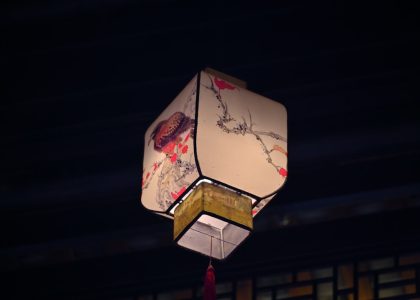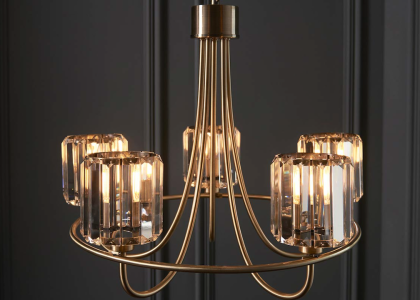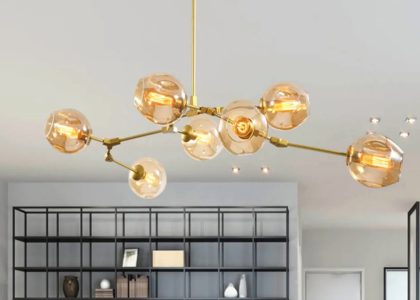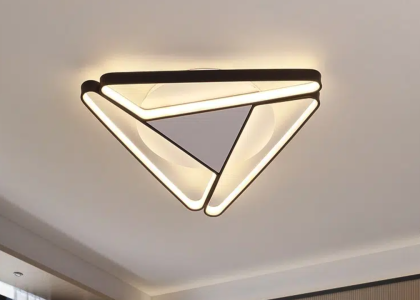
Looking to brighten up your workspace without sacrificing style or valuable desk space? A sleek study hanging lamp might be just what you need. These lamps offer focused illumination right where you need it, often adding a touch of modern design that can truly elevate an office’s aesthetic. They’re a practical solution for better visibility and a more comfortable work environment, moving the light source up and out of the way.
When you’re thinking about office lighting, several options come to mind: desk lamps, floor lamps, and perhaps track lighting. A hanging lamp, specifically designed for a study or office, brings a unique set of benefits into play. It’s not just about illumination; it’s about optimizing your workspace both functionally and visually.
Maximizing Desk Space
One of the most immediate and tangible benefits of a hanging lamp is the free real estate it creates on your desk. Traditional desk lamps, while effective, take up a portion of your work surface – space that could be used for documents, notebooks, or even just keeping things uncluttered. By suspending the light source from above, you reclaim that valuable space, leading to a more organized and expansive work area. This is particularly beneficial in smaller offices or for those who prefer a minimalist setup.
Reducing Glare and Eye Strain
Proper placement of a hanging lamp can significantly reduce glare, a common culprit behind eye strain and discomfort. Unlike overhead ceiling lights that can cast harsh, unfocused illumination or desk lamps that might reflect off screens, a well-positioned hanging lamp directs light downwards onto your work surface. This focused beam minimizes reflections on your computer monitor or tablet, making it easier to read and concentrate for extended periods. The ability to control the light direction means you can precisely illuminate your tasks without affecting your screen.
Enhancing Office Aesthetics
Beyond functionality, a well-chosen hanging lamp can become a focal point of your office decor. Modern designs often feature clean lines, interesting materials, and unique forms that contribute to a sophisticated and contemporary look. It’s an opportunity to injected some personality into your workspace without going overboard. Whether your style is industrial, minimalist, or something in between, there’s a hanging lamp design that can complement and elevate your office’s overall aesthetic.
Creating an Inviting Atmosphere
Lighting plays a crucial role in shaping the mood and atmosphere of a room. A hanging lamp, especially one with adjustable brightness or a warmer color temperature, can create a more inviting and less sterile environment compared to purely functional overhead lighting. This can contribute to a more comfortable and productive workspace, making long hours feel a bit less arduous. It’s about crafting a space where you genuinely enjoy spending time.
Versatility in Design and Placement
The market for hanging lamps is vast, offering an impressive range of styles, sizes, and finishes. This versatility means you’re likely to find a lamp that not only meets your lighting requirements but also perfectly matches your office decor. Furthermore, the flexibility in placement allows you to position the light source exactly where it’s most needed, whether that’s directly over your main work area, a secondary reading nook, or even to highlight a specific feature wall or piece of art in your office.
Key Considerations When Choosing Your Lamp
Selecting the right hanging lamp involves more than just picking one that looks good. Several practical factors need to be weighed to ensure you get a light that truly enhances your study experience.
Lumens and Brightness
The amount of light a lamp produces is measured in lumens. For a study or office, you’ll generally want a lamp that provides ample illumination without being overly harsh. The ideal lumen output will depend on the size of your desk, the room’s ambient light, and your personal preference for brightness. It’s often better to err on the side of slightly brighter, as many lamps offer dimming capabilities, allowing you to reduce brightness if needed. Aim for something that can provide focused task lighting without creating stark contrasts with the rest of the room.
Color Temperature (Kelvin)
Color temperature, measured in Kelvin (K), dictates the warmth or coolness of the light. Lower Kelvin numbers (around 2700K-3000K) produce a warm, yellowish light, often described as inviting and relaxed, similar to incandescent bulbs. Higher numbers (3500K-5000K and above) yield cooler, bluer light, akin to daylight, which is often preferred for tasks that require concentration and alertness. For a study, a neutral white (around 4000K) or a slightly cooler white (up to 5000K) can be a good balance, promoting focus without feeling too clinical.
Adjustability and Directional Lighting
The ability to adjust your lamp is a significant advantage in a study setting. Look for features like adjustable height, swiveling heads, or articulating arms that allow you to direct the light precisely where you need it most. This flexibility ensures you can illuminate different areas of your desk, whether you’re typing on a keyboard, writing in a notebook, or reviewing documents. Directional lighting is key to minimizing shadows and glare, making your workspace more comfortable and efficient.
Power Source and Installation
Consider how the lamp will be powered and installed. Most hanging lamps are hardwired into your ceiling, which typically requires an existing electrical box or professional installation. If hardwiring isn’t an option, some designs might offer a plug-in option with a long cord, although this can sometimes look less clean. Think about your comfort level with electrical work or if you’ll need to factor in the cost of hiring an electrician.
Material and Finish Durability
The materials and finish of your lamp impact both its aesthetic and longevity. Common materials include metal (steel, brass, aluminum), wood, glass, and various composites. Consider how durable these materials are and how easy they are to clean. A sturdy construction ensures the lamp will withstand daily use and maintain its appearance over time. The finish should also complement your office decor and be resistant to tarnishing or fading.
Design Aesthetics
While functionality is paramount, the visual appeal of your hanging lamp shouldn’t be underestimated. It can be a significant element in your office’s design scheme. Consider the overall style of your office – is it modern, traditional, industrial, or minimalist? Choose a lamp that complements this style, contributing to a cohesive and pleasant environment. Think about the shape, proportions, and any unique design elements that resonate with your personal taste.
Installation and Placement Best Practices
Once you’ve selected your ideal hanging lamp, proper installation and strategic placement are crucial for maximizing its benefits.
Strategic Height for Optimal Illumination
The height at which you hang your lamp is critical. Too high, and the light disperses too widely, reducing its effectiveness as task lighting. Too low, and it can obstruct your view or create uncomfortable glare. A general guideline is to hang the lamp so the bottom edge is about 28-36 inches above your desk surface. However, this can vary based on the specific lamp design, its light distribution pattern, and your own height. The goal is to illuminate your work area brightly without casting shadows from your head or hands or shining directly into your eyes.
Centering Over Your Primary Workspace
For most study setups, the primary workspace is the desk area where you spend the most time. Placing the hanging lamp centrally over this area ensures even and focused illumination across your main tasks. If you have a larger desk or engage in different types of work, you might consider a lamp with a wider spread or even multiple hanging lights positioned to cover different zones. Precision in placement ensures light goes where it’s needed, not just into the general room.
Avoiding Glare on Screens
This is a common challenge in modern offices. Position your lamp so that the light source is not directly reflecting off your computer monitor, tablet, or phone screen. This often means placing the lamp slightly in front of or to the side of your screen, directing the light onto your keyboard and desk surface rather than directly at the display. You can test different angles before final installation to find the sweet spot that minimizes reflections and eye strain.
Considering Ambient Light Sources
Your hanging lamp shouldn’t work in isolation. Consider the other light sources in your room: windows, overhead lights, and any other lamps. The hanging lamp should complement these other sources, creating a layered lighting scheme. During daylight hours, it might only be needed for very focused tasks. In the evening, it can be the primary task light, supported by softer ambient light from other fixtures to prevent harsh contrasts and an overly dark room periphery.
Electrical Considerations
If you’re hardwiring the lamp, ensure the electrical box in your ceiling is securely mounted and capable of supporting the lamp’s weight. If there isn’t an existing electrical box, installation becomes more complex and typically requires cutting into the ceiling and running new wiring – a job best left to a qualified electrician. Always prioritize safety, and if you’re unsure about any electrical work, professional help is invaluable.
Smart Features and Future-Proofing Your Setup
In today’s interconnected world, lighting technology has evolved beyond simple on/off switches. Incorporating smart features into your hanging lamp can add convenience and enhance its functionality.
Dimming Capabilities for Versatility
A dimmer switch is perhaps the most practical smart feature for a study lamp. It allows you to adjust the brightness according to the time of day, the specific task you’re performing, and your personal preference. Brighter light for detailed work, and softer light for reading or less intensive tasks. This versatility makes the lamp adaptable to various situations, contributing to a more comfortable and less fatiguing work environment over time.
Adjustable Color Temperature (Tunable White)
Some advanced LED hanging lamps offer tunable white technology, allowing you to change the color temperature from warm to cool. This can be a game-changer for a study. You might prefer a cooler, brighter light (like 5000K) during the day for maximum alertness and focus, then switch to a warmer, softer light (like 3000K) in the evenings to signal to your body that it’s time to wind down. This feature supports your natural circadian rhythm and can improve both productivity and sleep quality.
Integration with Smart Home Systems
If you have a smart home ecosystem (like Google Assistant, Amazon Alexa, or Apple HomeKit), look for hanging lamps that can integrate with these platforms. This allows for voice control (“Hey Google, turn on my desk lamp”) or control via a smartphone app. You can also set routines, like having your study lamp turn on automatically when you start your workday or dimming as the evening progresses, adding a layer of automation and convenience.
Motion Sensors and Timers
While less common for a primary hanging task lamp, motion sensors can be useful in secondary office areas or for energy saving. A timer function could automatically turn off the light after a set period of inactivity, ensuring you’re not wasting electricity if you step away from your desk. These are more often found in ambient or general office lighting, but some task lamps might offer basic timer settings.
USB Charging Ports and Integrated Outlets
While not directly related to illumination, some modern hanging lamp designs integrate features like hidden USB charging ports or even power outlets within the fixture itself or along the suspension mechanism. This can be incredibly convenient for charging devices without cluttering your desk further with power strips or searching for available wall outlets. It’s a small detail that can significantly improve desk organization and efficiency.
In conclusion, a sleek study hanging lamp isn’t just about lighting; it’s about thoughtful design that contributes to a more productive, organized, and aesthetically pleasing workspace. By considering the practical aspects of lumens, color temperature, adjustability, and strategic placement, alongside modern smart features, you can choose a lamp that truly enhances your daily work life.