
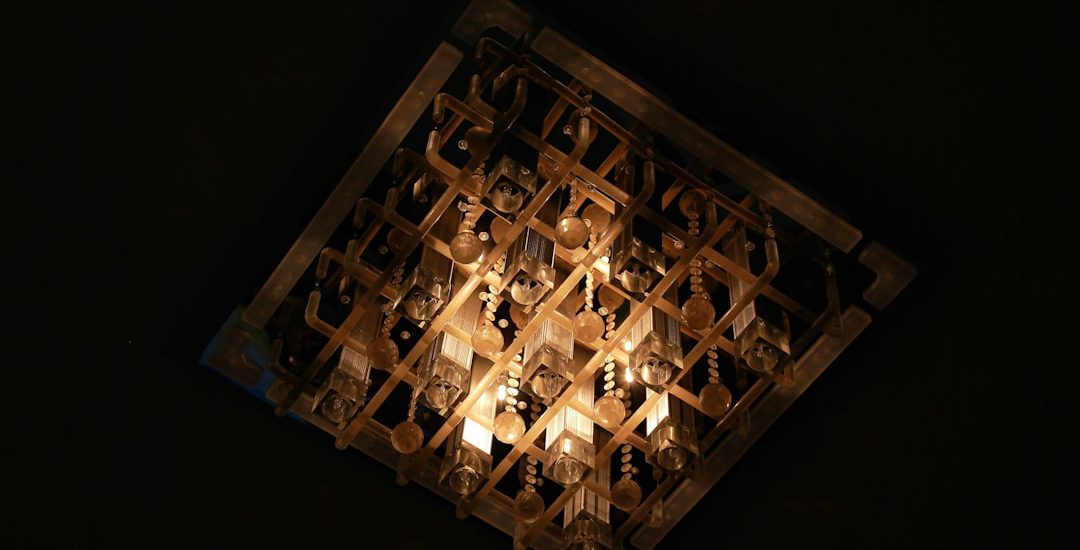
So, you’re looking to bring some vintage charm into your space, and a glass ceiling light fixture is on your radar. Good choice! These fixtures, with their classic appeal and often intricate designs, can really elevate a room’s aesthetic. They’re not just about illuminating a space; they’re about adding character, a nod to timeless design without feeling dated. Think of them as a stylish bridge between the past and the present, offering both functionality and a healthy dose of visual interest.
It’s no secret that design trends often cycle, and retro is definitively in. But it’s more than just a fleeting trend when it comes to glass ceiling lights. These fixtures offer a unique blend of practicality and aesthetic depth that modern alternatives sometimes miss.
Beyond the Buzzword: The Appeal of Retro
When we talk about “retro,” we’re often talking about designs that evoke a sense of nostalgia, quality, and often, handcrafted artistry. These aren’t your run-of-the-mill generic lights. They speak to a time when fixtures were built to last and to be admired. The appeal isn’t just about what’s old being new again; it’s about appreciating the enduring beauty of good design.
A Nod to Timeless Craftsmanship
Many retro glass ceiling fixtures feature details and construction methods that are less common in mass-produced modern lighting. You might find hand-blown glass, intricate metalwork, or unique finishes that give each piece a distinct personality. This craftsmanship ensures that the light isn’t just a source of illumination but a piece of art in itself.
Versatility in Design Periods
“Retro” isn’t a single aesthetic. It encompasses a wide range of design periods, from Art Deco’s geometric elegance to Mid-Century Modern’s clean lines and organic shapes. This means there’s a retro glass ceiling light out there to complement almost any interior style, whether you’re aiming for a sophisticated 1920s vibe or a more relaxed 1970s feel.
Understanding Different Styles of Retro Glass Fixtures
The beauty of retro lighting lies in its diversity. “Glass ceiling fixture” is a broad term, encompassing a fascinating array of designs from various eras. Knowing the distinctions can help you pinpoint the perfect fit for your home.
Art Deco Elegance (1920s-1930s)
When you think Art Deco, imagine bold geometric patterns, sleek lines, and often luxurious materials. Glass fixtures from this era commonly feature frosted or etched glass with intricate, symmetrical designs. Think stepped shapes, sunburst motifs, and often a touch of chrome or polished brass.
- Key Characteristics: Geometric patterns, frosted or etched glass, symmetrical designs, often metal accents (chrome, brass).
- Where They Shine: Entryways, dining rooms, or living spaces where you want to make a sophisticated and impactful statement. They pair well with other Art Deco elements like dark wood and angular furniture.
Mid-Century Modern Charm (1940s-1960s)
Mid-Century Modern fixtures often prioritize clean lines, organic shapes, and a futuristic yet functional aesthetic. Glass elements might be spherical, conical, or even abstractly sculptural. Think smoked glass, opaque white globes, or colorful textured glass that diffuses light beautifully.
- Key Characteristics: Clean lines, organic shapes, often spherical or conical glass, use of different glass types (smoked, opaque white).
- Where They Shine: Living rooms, bedrooms, or even a home office. They work well in minimalist or contemporary settings, adding a touch of warmth and design history.
Industrial Chic (Early 20th Century to Present)
While often associated with exposed bulbs and metal, industrial retro lighting can also incorporate glass, particularly in the form of robust shades or enclosed cages. Think factory lights with protective glass domes or schoolhouse pendants with opal glass diffusers.
- Key Characteristics: Durable materials, utilitarian design, often clear or opal glass, metal cages or surrounds.
- Where They Shine: Kitchens, workshops, or urban loft spaces. They add a raw, authentic feel that works particularly well with exposed brick or concrete.
Eclectic and Bohemian Influences (1960s-1970s)
This era introduced more unconventional and often vibrant designs. Glass fixtures might feature textured or colored glass, hand-blown elements with organic imperfections, or even stained-glass panels. The focus was often on creating a warm, inviting, and somewhat whimsical ambiance.
- Key Characteristics: Textured or colored glass, hand-blown elements, organic shapes, sometimes stained glass.
- Where They Shine: Bedrooms, cozy nooks, or spaces embracing a more relaxed and artistic vibe.
Practical Considerations for Choosing and Installing
Beyond aesthetics, there are several practical aspects to consider when bringing a retro glass ceiling light into your home. These points will help ensure your chosen fixture works well in your specific space.
Sizing It Up: The Right Dimensions
One of the most common pitfalls is choosing a fixture that’s either too small or too large for the room. A good rule of thumb for dining areas is that the diameter of the fixture should be about half to two-thirds the width of your dining table. For general room lighting, consider the ceiling height and overall room dimensions. A bulky fixture in a low-ceilinged room can feel oppressive, while a tiny one in a grand space will get lost.
- Ceiling Height: For lower ceilings, flush mounts or semi-flush mounts are ideal. Taller ceilings can accommodate pendants or chandeliers.
- Room Size: A larger room generally needs a larger fixture, both for illumination and to maintain visual balance.
Lighting Needs: Functionality First
While style is important, don’t forget the primary function of a light fixture: illumination. Different glass types and fixture designs will affect how light is dispersed.
- Clear Glass: Offers bright, direct light. Great for task lighting if paired with the right bulb, but can also create glare.
- Frosted or Opal Glass: Diffuses light, creating a softer, more even glow. Ideal for general ambient lighting where you want to reduce harsh shadows.
- Colored or Textured Glass: Can cast interesting patterns or alter the color temperature of the light. Often best used for ambient lighting or as decorative elements.
- Bulb Compatibility: Ensure the fixture can accommodate bulbs (LED is recommended for energy efficiency) that provide the desired lumen output and color temperature. Dimmable options are always a plus for versatility.
Installation Smarts: Safety and Skills
Unless you’re an experienced DIYer with electrical knowledge, professional installation is often the safest and most efficient route. Working with electricity can be dangerous, and properly securing a potentially heavy glass fixture is crucial.
- Electrical Safety: Always turn off power at the circuit breaker before working on any electrical fixture.
- Weight Bearing: Some antique or replica glass fixtures can be surprisingly heavy. Ensure your ceiling box and mounting hardware are rated to support the weight.
- Professional Help: When in doubt, hire a licensed electrician. It’s a small investment for peace of mind and safety.
Sourcing Your Retro Gem: Where to Look
Finding the perfect retro glass ceiling light fixture can be part of the adventure. There are several avenues, each with its own advantages and considerations.
Vintage and Antique Stores
This is often the go-to for authentic pieces. You might stumble upon a truly unique, one-of-a-kind fixture with genuine historical provenance. The downside? Supply is limited, and condition can vary. Be prepared to pay for restoration if needed.
- Pros: Authenticity, unique design, potential for historical value.
- Cons: Limited availability, condition may require restoration, potentially higher cost.
Architectural Salvage Yards
These often house treasures from demolished or renovated buildings. You might find fixtures that were once part of grander establishments, offering a sense of history and scale that’s hard to replicate.
- Pros: Unique, large-scale options available, often more robust construction.
- Cons: Often sold “as-is,” may require significant cleaning or restoration, inventory varies wildly.
Online Marketplaces and Specialty Shops
Websites like Etsy, eBay, and dedicated vintage lighting retailers offer a broader selection, often with clearer descriptions and photos. You can filter by style, era, and price. Some shops specialize in restored vintage pieces, which can be a good balance of authenticity and readiness for use.
- Pros: Wide selection, easier to compare options, clear descriptions (usually), some sellers offer restored pieces.
- Cons: Cannot inspect in person, shipping can be costly for fragile items, risk of misrepresentation (though less common with reputable sellers).
Reproduction and Replica Manufacturers
Many companies produce new fixtures inspired by retro designs. These offer the aesthetic appeal of vintage lighting with modern wiring and safety standards. This is often the best route if you need multiple matching fixtures or prefer a brand-new item.
- Pros: Brand new condition, modern wiring and safety compliance, often more affordable, readily available.
- Cons: Lacks the historical authenticity of true vintage, design can sometimes feel less nuanced than original pieces.
Maintaining and Caring for Your Glass Fixture
Once you’ve found and installed your stunning retro glass ceiling light, a little care will ensure it continues to shine brightly for years to come.
Regular Cleaning Routine
Dust and grime can quickly dull the appearance of glass. A gentle and consistent cleaning routine will keep your fixture looking its best.
- Dusting: Use a soft, dry microfiber cloth or a feather duster regularly to prevent dust buildup.
- Wiping: For smudges or light dirt, lightly dampen a microfiber cloth with water (or a mild glass cleaner diluted with water) and gently wipe the glass. Avoid saturating the cloth.
- Hard-to-Reach Areas: For intricate designs or hard-to-reach spots, an old, soft toothbrush or a Q-tip can be useful.
Deep Cleaning for Stubborn Grime
Occasionally, your fixture might need a more thorough clean, especially if it accumulates grease or stubborn residue.
- Disassembly (If Possible): If parts of the glass can be easily and safely removed, doing so can make cleaning much easier. Lay them on a soft towel to prevent damage.
- Mild Soap Solution: Fill a basin with lukewarm water and a few drops of mild dish soap. Gently wash the glass pieces, being careful not to scratch them.
- Rinsing: Rinse thoroughly with clean water to remove all soap residue.
- Drying: Dry immediately with a clean, lint-free cloth to prevent water spots. Allow all components to air dry completely before reassembling and reconnecting power.
Bulb Replacement and Electrical Checks
Regularly check your bulbs and address any electrical issues promptly.
- Bulb Type: Ensure you’re replacing bulbs with the correct wattage and type specified for the fixture. LED bulbs are usually a safe and energy-efficient choice.
- Loose Connections: If you notice flickering or intermittent lighting, it could be a loose connection. If you’re uncomfortable checking this yourself, call an electrician.
- General Wear and Tear: Over time, wiring or sockets can degrade. If you notice any fraying wires, discolored components, or strange smells, disconnect power immediately and consult an electrician.
By following these tips, your retro glass ceiling light fixture won’t just be a temporary trend piece; it’ll be a cherished and functional element of your home’s enduring style.
