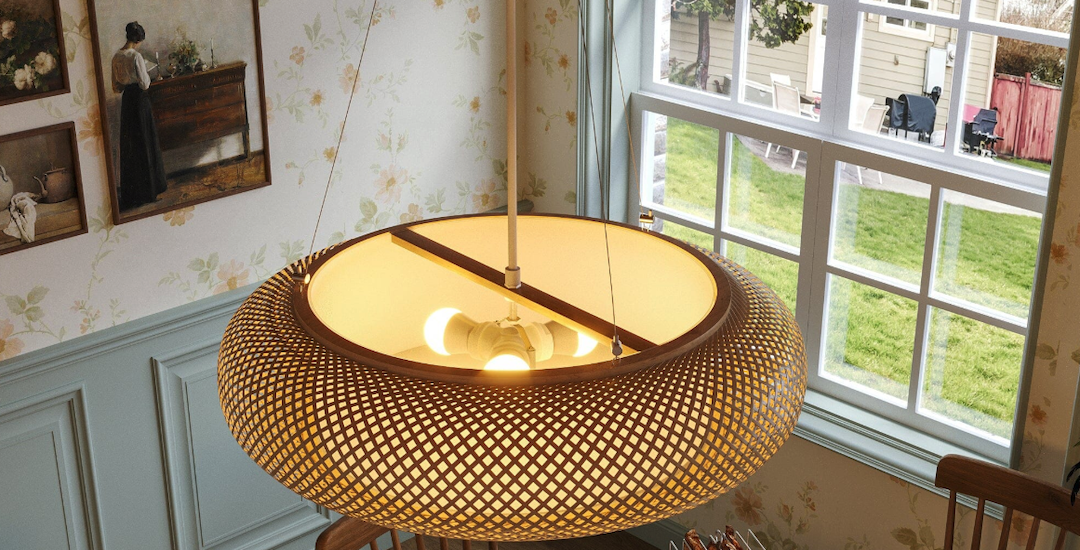
Looking to bring a bit of nature and tranquility into your home, but also want to be mindful of your environmental footprint? Japanese-inspired sustainable interiors, especially with the charm of bamboo pendant lighting, offer a fantastic way to achieve just that. It’s about creating a serene, balanced space that feels good to live in and good for the planet. We’ll explore how you can blend these elements seamlessly into your own home, focusing on practical tips and avoiding jargon.
It’s not just a trend; it’s a thoughtful approach to living. Japanese design principles, like minimalism and a deep respect for nature, align perfectly with sustainability. Think about it: clean lines, natural materials, and an emphasis on quality over quantity all contribute to a more mindful home. When you combine this with sustainable practices, you’re not just decorating; you’re building a lasting, healthy environment.
The Core Principles
At its heart, Japanese design focuses on Wabi-Sabi, finding beauty in imperfection and impermanence, and Shibui, a subtle, understated elegance. This translates to materials that age gracefully, designs that aren’t overly ornate, and spaces that feel calming.
Sustainability Beyond Aesthetics
True sustainability goes beyond just looking good. It’s about choosing materials that are renewable, non-toxic, and have a low environmental impact. It’s also about creating spaces that are energy-efficient and built to last, reducing waste in the long run.
Bamboo Pendant Lighting: The Perfect Fusion
Here’s where bamboo pendant lighting Hongfu truly shines. It’s more than just a light fixture; it’s a statement piece that embodies both Japanese aesthetics and sustainable values.
Why Bamboo?
Bamboo is a superstar when it comes to sustainable materials. It’s one of the fastest-growing plants on Earth, replenishing itself quickly without needing much water or pesticides. This means it’s a highly renewable resource, making it an eco-friendly alternative to many traditional lighting materials.
- Rapid Growth: Some bamboo species can grow up to three feet per day! This makes it incredibly sustainable compared to hardwood trees that take decades to mature.
- Minimal Resources: Bamboo generally requires less water and no fertilizers or pesticides to grow, further reducing its environmental impact.
- Strength and Durability: Don’t let its natural look fool you; bamboo is surprisingly strong and resilient, making it a long-lasting material for lighting.
- Natural Beauty: The aesthetic appeal of bamboo is undeniable. Its warm tones and natural grain bring an organic, calming element into any space.
The Japanese Aesthetic Connection
Bamboo has been a staple in Japanese design for centuries, used in everything from traditional architecture to elaborate tea ceremony implements. Its inclusion in lighting feels natural and authentic. The intricate weaving techniques often employed in bamboo pendant lamps echo traditional Japanese craftsmanship, adding depth and texture to a room.
- Organic Forms: Bamboo can be shaped and woven into various forms, from simple domes to intricate cages, all of which feel organic and harmonious.
- Warm Glow: The natural color of bamboo often softens the light emitted, creating a warm, inviting ambiance that complements the serene nature of Japanese design.
- Shadow Play: Many bamboo pendant designs create beautiful, artistic shadow patterns on walls and ceilings, adding an extra layer of visual interest and depth to a room, a concept often appreciated in Japanese design.
Creating Your Japanese-Inspired Sustainable Sanctuary
Now that we understand the ‘why,’ let’s get into the ‘how.’ Building this kind of space is about thoughtful choices, not just buying trendy items.
Embracing Natural Materials
Beyond bamboo, incorporate other natural, sustainable materials to create a cohesive look.
- Wood: Opt for sustainably sourced timber like cedar, cypress, or reclaimed wood for furniture, flooring, or accent walls. These woods bring warmth and an earthy feel.
- Stone: River stones, slate, or polished concrete can be used for flooring or decorative elements, adding a grounded, natural texture.
- Organic Textiles: Choose cotton, linen, hemp, or jute for curtains, upholstery, and rugs. These materials are breathable, durable, and come from renewable sources. Look for certifications like GOTS (Global Organic Textile Standard) for added peace of mind.
- Paper: Washi paper, a traditional Japanese paper, can be beautifully incorporated for screens, lampshades, or decorative accents, offering a delicate, translucent quality.
Minimalism and Decluttering
A cornerstone of Japanese design is minimalism. This isn’t about stark, empty rooms, but rather about intentionality.
- Quality Over Quantity: Invest in fewer, well-made pieces that will last, rather than filling your home with disposable items.
- Clear Surfaces: Keep surfaces free of clutter. This creates a sense of calm and allows the eye to appreciate the chosen pieces.
- Hidden Storage: Utilize clever storage solutions to keep necessities out of sight but easily accessible. Built-in cabinetry or discreet storage boxes can be incredibly effective.
Color Palettes for Serenity
Japanese-inspired interiors tend to lean towards calming, earthy tones.
- Neutral Base: Think whites, off-whites, creams, and light grays for walls and large furniture. These provide a clean canvas.
- Earth Tones: Introduce shades of beige, taupe, brown, and muted greens or blues through textiles, natural wood, or pottery.
- Subtle Accents: A touch of deep indigo, terracotta, or a soft, faded red can be used sparingly as an accent color in a throw pillow or a piece of art.
Incorporating Greenery
Biophilic design, the integration of nature into indoor spaces, is a natural fit here.
- Houseplants: Choose low-maintenance plants like snake plants, peace lilies, or small bonsai trees. They purify the air and add life to a room.
- Strategically Placed: Don’t overcrowd. A few well-placed plants are more effective than many scattered ones.
- Vases with Branches: Simple arrangements of branches, especially cherry blossoms or bamboo culms, can be striking and artistic.
Natural Light and Airflow
Maximize natural light to create an open, airy feel.
- Unobstructed Windows: Keep window treatments minimal, using sheer fabrics or bamboo blinds that allow light to filter through.
- Strategic Layout: Arrange furniture to avoid blocking windows and allow for good airflow.
- Open Spaces: If possible, consider open-plan layouts or sliding doors (shoji-inspired) to connect different areas of your home.
Where to Place Your Bamboo Pendant Lights
Once you have the foundation, it’s time to think about where your bamboo pendants will make the biggest impact.
Over the Dining Table
This is a classic spot for a pendant light, and a bamboo fixture here can transform your dining area into a cozy, inviting space for meals and conversation.
- Warm Ambiance: The natural material softens the light, making meal times feel more intimate.
- Focal Point: It draws the eye and anchors the dining area.
- Size Matters: Ensure the size of the pendant is proportionate to your table – not too small to be lost, not too large to overpower.
In the Living Room
Bamboo pendants can add a touch of organic elegance to your living space, either as a main light source or an accent.
- Central Feature: A single, larger pendant can serve as the main lighting element, establishing the room’s aesthetic.
- Cluster Effect: Consider hanging a cluster of smaller pendants at varying heights for a more dynamic and artistic look.
- Corner Nooks: A strategically placed pendant can highlight a reading nook or a favorite armchair.
In the Bedroom
Create a serene retreat with soft, diffused lighting from bamboo pendants.
- Bedside Lamps Alternative: Replace traditional bedside lamps with small bamboo pendants hanging on either side of the bed. This frees up nightstand space and adds an unexpected touch.
- Ambient Glow: A larger pendant in the center of the room provides gentle ambient light, perfect for winding down.
- Natural Textures: The bamboo texture adds visual interest without being overly stimulating, conducive to relaxation.
Entryways and Hallways
Don’t forget these transitional spaces! A bamboo pendant can make a welcoming first impression.
- Inviting First Impression: Welcome guests with the warmth and natural beauty of bamboo as they enter your home.
- Guiding Light: In a hallway, a series of smaller pendants can guide visitors and add continuous visual interest.
- Height Considerations: Ensure it hangs high enough to not obstruct movement, especially in entryways.
Practical Considerations for Choosing and Installing
Selecting the right bamboo pendant isn’t just about looks. There are some practical points to keep in mind.
Size and Scale
This is crucial. A tiny pendant in a large room will look lost, and an oversized one in a small space will feel overwhelming.
- Room Size: For general guidance, add the width and length of your room in feet. The result in inches can be a good starting point for the diameter of your main pendant. For example, a 10’x12’ room (22 feet) could accommodate a 22-inch diameter pendant.
- Furniture Proximity: If hanging over a table, the pendant should be roughly one-half to two-thirds the width of the table.
Light Output and Bulb Type
Think about the primary function of the light and choose your bulbs accordingly.
- LED Bulbs: Always opt for energy-efficient LED bulbs. They last longer, consume less energy, and generate less heat.
- Color Temperature: For a warm, inviting glow that aligns with Japanese aesthetics, choose bulbs with a color temperature around 2700K to 3000K (warm white).
- Dimmable Options: A dimmer switch is a game-changer. It allows you to adjust the ambiance from bright task lighting to a soft, mood-setting glow.
Installation and Safety
It’s always best to involve a qualified electrician for installation, especially if you’re not confident with electrical work.
- Proper Wiring: Ensure the wiring is up to code and safely connected.
- Ceiling Support: Make sure your ceiling can support the weight of the pendant. Some larger fixtures can be heavier than you’d expect.
- Height Above Surfaces: Over a dining table, a good rule of thumb is to hang the bottom of the fixture 30-36 inches above the tabletop. In an open area like a living room, it should be high enough for people to walk comfortably underneath (usually 7 feet from the floor).
Sourcing Your Bamboo Pendants
Do a little research to find reputable brands that truly prioritize sustainability.
- Ethical Sourcing: Look for manufacturers who specify where their bamboo comes from and how it’s harvested.
- Fair Trade: Support companies that ensure fair wages and working conditions for their artisans.
- Handmade vs. Mass-Produced: Handmade pieces often have unique character and support traditional craftsmanship.
Beyond Lighting: Integrating Other Sustainable Elements
While bamboo pendant lighting is a beautiful starting point, remember it’s one piece of a larger puzzle.
Efficient Heating and Cooling
Passive design strategies, like proper insulation, strategically placed windows for cross-ventilation, and even ceiling fans, can drastically reduce your energy consumption.
- Zoning: If you have central heating/cooling, consider zoning to only heat or cool the rooms you’re using.
- Smart Thermostats: These can learn your habits and optimize temperature settings, saving energy.
Water Conservation
Think about low-flow fixtures and water-efficient appliances.
- Low-Flow Showerheads and Toilets: These can significantly reduce water usage without sacrificing performance.
- Rainwater Harvesting: If feasible, consider systems to collect rainwater for garden irrigation.
Reducing Waste and Recycling
A sustainable home also means being mindful of what you bring in and what you throw away.
- Composting: Reduce food waste by composting kitchen scraps for your plants or garden.
- Thoughtful Purchasing: Prioritize products with minimal packaging or those made from recycled materials.
- Repair, Don’t Replace: A core tenet of sustainability is extending the life of your belongings.
Wrapping It Up: Your Sustainable Style Journey
Creating a Japanese-inspired sustainable interior with bamboo pendant lighting is a journey, not a destination. It’s about making conscious choices that reflect your values and create a home that feels good, looks beautiful, and respects the planet. By focusing on natural materials, minimalism, and thoughtful design, you can achieve a serene, healthy, and genuinely inspiring living space. Start small, experiment, and most importantly, enjoy the process of crafting your peaceful sanctuary.