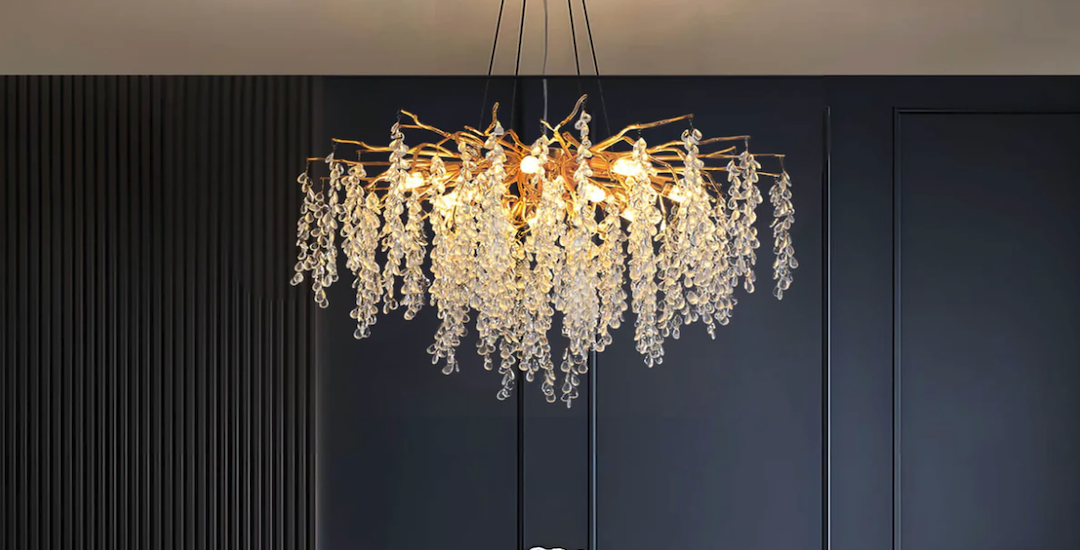
When you think of a formal living room, it’s probably got a certain gravitas to it, right? A place for entertaining guests or just enjoying a quiet evening in a space that feels a bit special. And if you’re aiming for that classic, sophisticated vibe, a crystal Art Deco chandelier can be a real game-changer. These aren’t just light fixtures; they’re statement pieces that bring a touch of glamour and history to the room. Let’s dive into what makes them so perfect and how to choose one that fits your style.
Think of the 1920s and 30s – a time of jazz, flappers, and a whole lot of glamour. Art Deco style really captured that spirit with its bold geometric shapes, symmetry, and luxurious materials. Now, imagine all of that translated into a chandelier made with sparkling crystals. That’s pretty much an Art Deco crystal chandelier.
The Key Elements of Art Deco Design
Art Deco wasn’t about fussy, intricate details. Instead, it embraced clean lines, strong geometric patterns – think zigzags, chevrons, sunbursts, and stepped forms. It was about a streamlined, modern elegance, even though it looked back to ancient motifs from cultures like Egypt and Assyria.
Geometric Shapes Reign Supreme
You’ll see a lot of octagons, squares, circles, and repeating rectilinear patterns. Symmetry was also a big deal. The overall composition of the chandelier Simiglighting often feels balanced and intentional.
Luxurious Materials Were a Must
Alongside crystal, you’d find polished metals like chrome, brass, and nickel. Wood, often lacquered or inlaid, also made appearances. This combination of materials created a rich, opulent feel.
Stepped and Tiered Designs
Many Art Deco chandeliers feature stacked layers or stepped profiles, almost like a skyscraper. This gives them a sense of verticality and grandeur, which works beautifully in a formal setting.
The Role of Crystal in Art Deco
Crystal in Art Deco chandeliers wasn’t just for bling. It was used strategically to reflect and refract light, creating a dazzling effect. The facets of the crystals could catch the light from the bulbs, scattering it around the room and adding that signature sparkle.
Types of Crystal Used
While you might just think “crystal,” there are variations. High-lead crystal, for instance, has a higher refractive index, meaning it sparkles more brilliantly. Cheaper versions might be made from glass with a coating. For a truly authentic and impactful look, look for good quality crystal.
How Crystal Enhances the Design
The way crystal is cut and hung is crucial. Art Deco designs often featured crystal prisms, pendalogues, and even entire crystal shades. These elements were chosen to maximize light play and create a sense of dynamic energy.
Why a Crystal Art Deco Chandelier is Perfect for a Formal Living Room
A formal living room is typically a space designed for entertaining, for making a good impression, and for conveying a sense of elegance. An Art Deco crystal chandelier hits all these notes and then some. It’s not just about illumination; it’s about setting the tone and adding a significant touch of history and style.
Making a Grand Entrance
The entry to a formal living room is often the first place guests set their eyes. A striking chandelier here immediately signals that this is a space where attention to detail and a touch of extravagance are valued. It’s a conversation starter before anyone even says hello.
Establishing the Mood and Atmosphere
The light quality from a crystal chandelier is unique. It’s not harsh or utilitarian; it’s warm, inviting, and beautifully diffused. The way the crystals catch and reflect light can create a soft, glowing ambiance that’s perfect for quiet conversation or relaxed entertaining.
A Nod to Timeless Elegance
Art Deco is a style that has proven its staying power. It’s not a fleeting trend. Opting for an Art Deco crystal chandelier means you’re choosing a piece with a rich design heritage that will remain stylish for years to come. It adds a layer of sophistication that transcends current fads.
The Statement Piece Effect
In a formal living room, you often want a focal point. A well-chosen chandelier can absolutely be that. It draws the eye upwards and anchors the entire room. It’s not something that blends into the background; it commands attention in the best possible way.
Adding Architectural Interest
Even if your living room has standard ceilings, a chandelier can make it feel more architecturally significant. The scale and design of an Art Deco chandelier can create a sense of grandeur, making the room feel more impressive and layered.
Counterbalancing Other Decor Elements
Formal living rooms might have substantial furniture, rich drapery, and significant artwork. A crystal Art Deco chandelier can act as a beautiful counterpoint to these elements, adding sparkle and visual lightness without being overwhelming.
The Investment in Quality and Craftsmanship
While you can find many different types of lighting, a well-made Art Deco crystal chandelier is often an investment in quality craftsmanship. These pieces were built to last and to impress, and that quality can be felt and seen.
Durability and Longevity
When selecting a chandelier, consider the materials and how it’s constructed. Good quality crystal and robust metalwork will ensure your chandelier remains a beautiful feature for a very long time.
The Value of an Antique or Vintage Piece
If you’re considering a genuine antique or vintage Art Deco chandelier, you’re not just buying a light fixture; you’re acquiring a piece of history. These pieces often carry a unique patina and story that modern reproductions can’t quite replicate.
Choosing the Right Art Deco Crystal Chandelier for Your Formal Living Room
So, you’re sold on the idea, but how do you actually pick the one that’s going to be the one for your formal living room? It’s not just about picking the prettiest one; it’s about finding a balance between style, scale, and your personal taste.
Scale and Proportion: The Golden Rules
This is probably the most critical factor for any lighting fixture, especially a chandelier. A chandelier that’s too big will make the room feel crowded and overwhelming, while one that’s too small will get lost and won’t have the desired impact.
Measuring Your Space
Before you even start looking, measure your living room. Most designers recommend that the diameter of a chandelier should be about one-twelfth the length of the room in feet. So, if your room is 20 feet long, a 20-inch diameter chandelier would be a good starting point. For the height, many suggest the bottom of the chandelier should be about 7 feet above the floor, or 30-36 inches above a coffee table.
Considering Ceiling Height
A room with high ceilings can accommodate a larger, more dramatic chandelier with multiple tiers. For standard 8 or 9-foot ceilings, you’ll want to opt for a more streamlined, single-tier design or one that’s not excessively deep. Always check the “drop” or “hang” measurement of the chandelier.
Style Variations Within Art Deco
Art Deco is a broad category, and chandeliers within this style can vary quite a bit. Knowing the nuances can help you narrow down your search and find something that truly resonates with you.
Streamlined and Geometric
This is the quintessential Art Deco look: clean lines, sharp angles, and repeating geometric motifs. Think stepped designs, chrome frames with clear crystal rods or prisms, and a focus on symmetry. These are often very modern-feeling.
Romantic and Ornate
While Art Deco leans towards the modern, some designs incorporated more decorative elements, drawing on motifs from ancient Egypt or stylized floral patterns in a geometric way. These might feature more elaborate crystal arrangements or darker metal finishes like brass or bronze.
The Influence of Specific Designers
Some iconic Art Deco designers created chandeliers with signature styles. While you might not be buying an original, knowing about these influential figures can inform your taste. Think of designers like Jean-Michel Frank, who often used materials like gilt and mica, or Paul Hennell, known for his opulent crystal pieces.
Material Combinations: Beyond Just Crystal
While crystal is the star, the materials used for the frame and accents play a huge role in the overall aesthetic and how the chandelier interacts with your existing decor.
Metal Finishes: Chrome, Brass, Nickel, and Black
- Chrome: This is very popular in classic Art Deco. It often has a mirror-like finish that reflects light beautifully and gives a cool, sophisticated feel.
- Brass: Polished or lacquered brass can add a warmer, richer tone to an Art Deco chandelier. It can lean more towards the luxurious, almost Hollywood-glam side of the style.
- Nickel: Similar to chrome in its cool tone, nickel can be a good alternative if you find chrome a bit too stark. Satin nickel offers a softer sheen.
- Black: Black metals, often with a matte finish, can provide a striking contrast with crystal, adding a bolder, more contemporary Art Deco feel.
Integrating Other Materials
Sometimes, you’ll find Art Deco chandeliers that incorporate other materials. Think about how these might complement your existing furniture and decor.
Wood Accents
Occasionally, lacquered wood or ebonized wood elements might be incorporated, adding a touch of warmth and a different texture.
Frosted or Etched Glass
While crystal is primary, you might see designs that use frosted or etched glass panels alongside crystal, creating interesting contrasts in light diffusion and visual texture.
Lighting Considerations for Your Art Deco Crystal Chandelier
A chandelier is for more than just looking pretty; it needs to provide the right kind of light for your formal living room. This is where you get practical.
Bulb Type and Brightness
The type of bulbs you use will significantly impact the overall feel of the light. You want to achieve a warm, inviting glow rather than a harsh, sterile output.
Warm White vs. Cool White Bulbs
- Warm White (around 2700K-3000K): This is generally preferred for living spaces. It mimics incandescent light and creates a cozy, inviting atmosphere. For a formal living room, this is usually the way to go.
- Cool White (around 4000K+): This can feel a bit stark and clinical, which is generally not what you want for a formal living area.
LED vs. Halogen
- LEDs: These are incredibly energy-efficient and available in a wide range of color temperatures and brightness levels. Many LEDs can now mimic the warm glow of traditional bulbs very well. Look for dimmable LEDs.
- Halogens: These produce a bright, crisp light and are often favored for their excellent color rendering. However, they consume more energy and generate more heat than LEDs.
Dimmer Switches: Your Best Friend for Ambiance
This is non-negotiable for a formal living room. A dimmer switch allows you to control the intensity of the light, transforming the room’s mood from bright and welcoming for gatherings to soft and intimate for quiet evenings.
Maximizing Versatility
With a dimmer, your chandelier can serve multiple purposes throughout the day and for different occasions. Full brightness might be ideal for cleaning or when you have many guests, while a low setting is perfect for a soft, ambient glow.
Protecting Your Crystal
Using a dimmer can also help protect your crystal by reducing the amount of heat generated when the light is on low settings for extended periods, especially if you’re using older bulb types.
Placement in the Room: Where Does it Go?
The location of your chandelier is as important as its design. It needs to be positioned to maximize its visual impact and functional lighting.
Centered Over the Main Seating Area
Often, the most effective placement is directly above the primary seating arrangement. This anchors the conversation area and draws people into the heart of the room.
Over a Coffee Table or Dining Table (if applicable)
If your formal living room also incorporates a formal dining area, or if you have a prominent coffee table as the center of your layout, centering the chandelier over these is a classic and effective approach.
Consider Light Spill and Shadow
Think about how the light will fall. You don’t want the chandelier’s brilliance to create harsh glare or cast unflattering shadows on artwork or architectural features you want to highlight.
Maintaining Your Art Deco Crystal Chandelier
These beautiful fixtures are an investment. A little bit of care will ensure they stay sparkling and in excellent condition for years to come.
Regular Dusting and Cleaning
Crystal attracts dust, which can dull its sparkle. Regular, gentle cleaning is key.
Gentle Dusting Techniques
Use a soft, lint-free microfiber cloth. For slightly more stubborn dust, you can lightly dampen the cloth with distilled water. Always ensure the chandelier is cool and off before cleaning.
Deep Cleaning the Crystal
Every so often (perhaps once or twice a year, depending on your environment), you might need to give the crystals a more thorough cleaning.
Removing Crystal Pendants
Many chandeliers have removable crystal pendants. If yours does, carefully remove them and wash them gently in a solution of mild dish soap and warm water. Rinse them thoroughly with distilled water to prevent water spots and then dry them completely with a soft, lint-free cloth.
Cleaning the Frame
Wipe down the metal frame with a soft cloth appropriate for the metal finish (e.g., a chrome cleaner for chrome, a brass polish for brass, but always test in an inconspicuous area first). Be careful not to get cleaning solutions on the crystals themselves during this process, as some can damage the finish.
Checking for Loose Parts
Over time, vibrations or minor bumps can cause parts to loosen. A quick check can prevent potential problems.
Periodically Inspecting Connections
Gently check that all crystal pendants are securely attached to their wires or hooks. Also, ensure that any decorative elements on the frame are firmly in place.
Safety First: Electrical Components
While this is less about the crystal and more about the fixture’s longevity, it’s wise to periodically ensure that any electrical fittings appear safe and secure. If you have any doubts whatsoever about the electrical components, it’s always best to consult a qualified electrician.
Professional Cleaning Services
For very large, intricate, or valuable chandeliers, professional cleaning services are an option. They have the expertise and specialized equipment to clean them safely and effectively.
When to Consider Professional Help
If your chandelier is exceptionally high or has very delicate, complex crystal arrangements, or if you’re simply not comfortable undertaking the cleaning yourself, a professional is a good choice. They can often reach areas that are difficult for a homeowner to access safely.
Finding the Perfect Art Deco Crystal Chandelier
With so many options available, finding the right one can feel like a treasure hunt. Here’s where you can look and what to keep in mind.
Sourcing Vintage and Antique Pieces
For that authentic Art Deco feel, vintage and antique shops are goldmines. The charm and history of a genuine piece are hard to beat.
Antique Dealers and Showrooms
Reputable antique dealers often specialize in lighting and can offer expert advice and sourcing services. They’ll also be able to vouch for the authenticity and condition of a piece.
Online Marketplaces (with caution)
Websites like Etsy, 1stDibs, and eBay can be great for finding vintage chandeliers. However, it’s crucial to do your due diligence. Always check seller reviews, ask for detailed photos, and inquire about the condition and any repairs.
Contemporary Reproductions
If authentic vintage pieces are hard to come by or fall outside your budget, contemporary reproductions can offer the Art Deco aesthetic with modern manufacturing.
Lighting Showrooms and Specialty Stores
Specialty lighting stores often have curated selections of Art Deco-inspired pieces. They can offer different styles and price points.
Online Retailers
Many online furniture and lighting retailers carry Art Deco-style chandeliers. Again, pay close attention to product descriptions, dimensions, and customer reviews.
Bespoke and Custom Options
For those who want something truly unique, commissioning a custom Art Deco crystal chandelier is an option.
Working with a Lighting Designer or Artisan
A talented designer or artisan can create a chandelier specifically for your space, incorporating your preferred motifs, materials, and dimensions. This is often a more significant investment but results in a one-of-a-kind piece.
Considering the ‘Replica’ Factor vs. Originality
When looking at reproductions, differentiate between pieces that broadly capture the Art Deco spirit and those that meticulously try to replicate original designs. Both can be beautiful, but your preference might lean one way or the other based on your desire for historical accuracy versus a modern interpretation.
Ultimately, an Art Deco crystal chandelier for your formal living room is more than just a way to light up the room. It’s an opportunity to infuse your space with elegance, history, and a touch of timeless glamour. By understanding what makes this style so special and paying attention to the details of scale, material, and placement, you can find a chandelier that truly elevates your living room from simply formal to undeniably breathtaking.