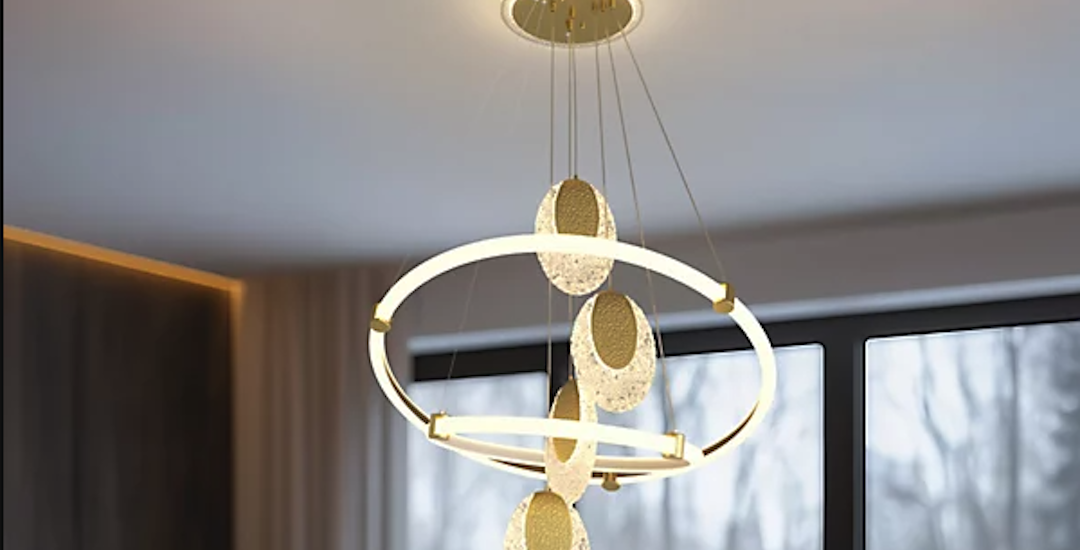
So, you’re eyeing that striking acrylic spiral chandelier for your living room, huh? You’re not alone! These dramatic pieces have become a real go-to for adding a modern, sculptural flair to contemporary spaces. Think bold lines, light interaction, and a serious wow factor. If you’re wondering if it’s the right fit for your living room, the short answer is: likely yes, if you’re aiming for a modern aesthetic and want a prominent focal point that offers both light and art. They’re fantastic for transforming a standard room into something truly special, but as with any statement piece, it’s about making sure it complements your style and space rather than overwhelming it. Let’s dive into what makes them tick and how you can make one work for you.
Acrylic has really carved out a niche for itself in contemporary design, and lighting Vuugu is no exception. It’s not just a cheaper alternative to glass anymore; it’s a material with its own unique set of advantages that designers are actively exploiting.
What Makes Acrylic So Special?
For starters, acrylic is incredibly versatile. It can be molded, cut, and finished in a multitude of ways, which is precisely why you see it in such intricate spiral designs. It’s lighter than glass, making installation a bit less of a wrestling match, and it’s generally more durable and less prone to shattering.
A Lighter Touch for Big Statements
Ever tried lifting a solid glass chandelier? They can be hefty! Acrylic’s lighter weight means that even those impressive, large-scale spiral designs are manageable for installation and less of a concern for your ceiling structure. This opens up possibilities for more ambitious designs without compromising on safety.
Adaptable to Modern Aesthetics
Acrylic has a clean, sleek look that perfectly aligns with modern and minimalist design principles. It can be clear, frosted, colored, or even have a metallic finish, allowing for a range of visual effects. For spiral chandeliers, this adaptability means you can achieve that sense of movement and fluidity designers crave.
Durability and Low Maintenance
While not unbreakable, acrylic is significantly more impact-resistant than glass. This is a practical advantage, especially in busy living areas. Cleaning is generally straightforward too, usually just requiring a soft, damp cloth.
Understanding the Spiral Chandelier Design
The “spiral” in these chandeliers isn’t just a shape; it’s a deliberate design element that plays with light and form in fascinating ways.
The Geometry of Illumination
When we talk about a spiral acrylic chandelier, we’re usually referring to a design where strands or panels of acrylic twist around a central axis. This creates a dynamic visual that’s both elegant and eye-catching. The curvature isn’t just for show; it’s about how light is diffused and reflected.
How the Spiral Affects Light Distribution
The curves of the acrylic elements catch and refract light, creating interesting patterns and shadows. Depending on the design and the type of acrylic used (clear versus frosted, for example), the light can be spread more broadly, providing ambient illumination, or it can be more focused, highlighting specific areas.
The Illusion of Movement and Depth
The spiraling form inherently suggests motion. It draws the eye upwards and around, adding a sense of dynamism to the room. This can be particularly effective in spaces that might otherwise feel static. It creates a visual complexity that can make a room feel larger and more engaging.
The Central Element: More Than Just a Form
The core of the spiral is often where the light source is integrated. This can be hidden LEDs, or sometimes exposed bulbs housed within the acrylic structure. The way the light emerges from or is captured by the acrylic is central to the chandelier’s aesthetic impact.
Making it Your Statement Piece: Style and Placement
This isn’t a chandelier you tuck away in a corner. A contemporary acrylic spiral chandelier is designed to be a star. So, how do you ensure it shines in your living room?
Integrating it with Your Living Room’s Style
The key is to let the chandelier be the focal point, but not one that clashes with everything else. Modern, minimalist, and even some eclectic or transitional styles can embrace these dramatic fixtures.
The “Modern” in Contemporary
These chandeliers are inherently modern. Think clean lines, uncluttered surfaces, and a focus on form and function. If your living room leans towards this aesthetic – with a neutral color palette, geometric furniture, and minimal ornamentation – the acrylic spiral will slot in beautifully.
When Less is More
If your living room is already quite busy with patterns or decor, a very elaborate spiral chandelier might be one element too many. In such cases, a simpler, more understated spiral design – perhaps a single, elegant twist rather than a complex, multi-layered one – might be a better fit. Conversely, in a minimalist space, a grander, more intricate spiral can truly sing.
Transitional Touches
Surprisingly, even some rooms with a more traditional leaning can incorporate an acrylic spiral. It’s about creating a deliberate contrast. A dramatic modern chandelier can act as a powerful piece of art in a more classic setting, breaking up expectations and adding a contemporary edge.
Strategic Placement for Maximum Impact
Where you hang your chandelier matters. It needs to be more than just functional; it needs to be positioned to be appreciated.
The Heart of the Room
Traditionally, chandeliers are hung above the main seating area or coffee table. This is often the natural focal point of a living room, making it the perfect spot for a statement piece like an acrylic spiral. It draws attention and anchors the space.
Ceiling Height Considerations
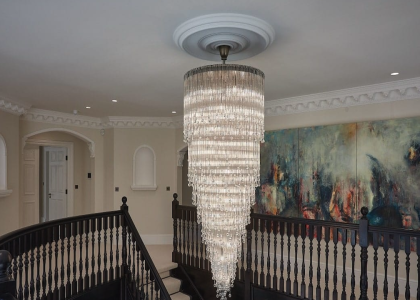
This is a big one. Oversized spiral chandeliers often command a certain amount of vertical space. In rooms with very high ceilings, a larger, more dramatically scaled spiral can be a fantastic way to fill that void and prevent the room from feeling cavernous. In standard-height rooms, you’ll need to be more mindful of the chandelier’s dimensions to ensure it doesn’t feel oppressive. There should be ample clearance for walking underneath it.
When to Consider Other Lighting
A statement chandelier is rarely the only light source in a living room. Think about how it complements your other lighting. It’s likely providing a significant amount of ambient or general light, but you’ll probably still need task lighting (like floor or table lamps) and perhaps accent lighting for artwork. The chandelier should work in harmony with these.
Practicalities: Installation, Size, and Material Choices
Before you fall head over heels for a specific design, it’s worth getting practical. These are often significant investments, and understanding the nuts and bolts will save you headaches later.
The Installation Process: What to Expect
Unless you’re experienced with electrical work and heavy fixtures, professional installation is highly recommended. The wiring, mounting, and ensuring the fixture is securely attached to the ceiling joists are critical for safety.
Hiring a Professional
Electricians are equipped to handle the wiring and ensure everything meets code. They can also advise on the best way to mount a potentially heavy or unusually shaped fixture. Don’t underestimate the complexity, especially with larger or more intricate designs.
Planning for Power
Ensure there’s a suitable electrical point in the ceiling where you intend to hang it, and that it can handle the wattage of the integrated or accompanying bulbs. Dimmer switches are always a good idea for chandeliers to control the mood.
Choosing the Right Size for Your Space
This is where many people get it wrong. Too big, and it overpowers the room. Too small, and it gets lost.
The “Rule of Thumb” (and why it’s just a start)
A common guideline is to add the length and width of your room in feet to get the recommended diameter of your chandelier in inches. So, a 15×20 foot room might suggest a 35-inch diameter chandelier. However, especially with sculptural and spiral designs, this is a very basic starting point.
Considering Visual Weight and Scale
A spiral chandelier often has more “visual weight” than a simple pendant. Even if it’s made of lightweight acrylic, its form can make it seem larger. Consider how much of the ceiling it will occupy and how it relates to the scale of your furniture. An open spiral might feel less imposing than a dense one.
Ceiling Height’s Role in Scale
As mentioned, higher ceilings can accommodate larger chandeliers. In a room with standard 8-foot ceilings, a very long, dangling spiral might feel cramped. Conversely, a short, wide spiral might look undersized in a grand, two-story foyer.
Material Variations: Beyond Just “Acrylic”
Not all acrylic is created equal, and the finish can dramatically change the look and feel of the chandelier.
Clear vs. Frosted Acrylic
Clear acrylic offers a crisp, modern look and allows light to pass through with minimal diffusion. Frosted acrylic softens the light, creating a more diffused, ambient glow, and can hide the LED sources more effectively.
Colored or Smoked Acrylic
Some designs incorporate colored or smoked acrylic. This adds another layer of sophistication and can be used to subtly complement or contrast with your room’s color scheme. A smoky grey can add a touch of drama, while a soft pastel might offer a gentler feel.
Integrated LED vs. Bulb-Based
Many contemporary acrylic spiral chandeliers feature integrated LED lighting. This often allows for sleeker, more seamless designs, as there are no visible bulbs to disrupt the flow of the acrylic. LEDs are also energy-efficient and long-lasting. Others might still use traditional bulbs, which can offer a different kind of light quality and might be easier to replace if they burn out.
The Light Quality and Ambiance It Creates
It’s not just about how it looks; it’s about how it makes the room feel. The light quality is a huge part of that.
Beyond Just Brightness: The Mood Factor
A chandelier’s primary job is to illuminate, but the quality of that light is what truly sets the mood. Acrylic spirals are particularly adept at shaping light.
Warm vs. Cool Lighting
Many integrated LED fixtures offer options for warm white (around 2700K-3000K), neutral white (around 4000K), or cool white (5000K+). For a living room, warm white is generally preferred for creating a cozy, inviting atmosphere. Cool white can feel more sterile or office-like. Ensure you choose a color temperature that suits the ambiance you want.
Dimming Capabilities for Versatility
This is almost non-negotiable for a statement living room chandelier. Being able to dim the light allows you to transition from bright, functional light for reading or entertaining to a softer, more atmospheric glow for relaxing evenings.
How the Design Influences the Light
The physical form of the acrylic spiral directly manipulates how the light is emitted and perceived.
Diffused Glow vs. Direct Light
A densely coiled spiral with frosted acrylic will produce a soft, diffused glow, ideal for ambient lighting. A more open spiral using clear acrylic might allow more direct light downwards, potentially creating brighter pools of light and interesting patterns on surfaces.
Creating Visual Interest with Light and Shadow
The curves and angles of the acrylic catch and bounce light, creating a beautiful interplay of light and shadow. This dynamic visual effect adds depth and character to the room, making the chandelier more than just a light fixture – it becomes a piece of kinetic art.
Finding the Right Acrylic Spiral Chandelier for You
Choosing the perfect chandelier involves a bit of research, a good understanding of your space, and a clear vision of the style you want to achieve.
Where to Look and What to Consider
You’re not going to find these unique pieces at every big-box home improvement store. They often come from specialized lighting showrooms or online retailers that focus on contemporary design.
Online Retailers Specializing in Modern Lighting
Many excellent online stores curate modern and designer lighting. Reading reviews, checking dimensions carefully, and understanding return policies are crucial when buying online.
Lighting Showrooms for a Hands-On Experience
If possible, visiting a showroom allows you to see the scale, finish, and how the light actually looks in person. You can also get expert advice from sales staff.
Budget Considerations for Statement Pieces
These aren’t typically the cheapest lighting options. Be prepared for a range of prices based on size, complexity, brand, and material quality. It’s an investment piece, so consider it in the context of your overall living room decor budget.
Questions to Ask Yourself Before Buying
Before you click “add to cart” or make a final decision in a showroom, run through these questions.
What is the Primary Function of this Chandelier in My Room?
Is it purely decorative, or does it need to provide the main light source for the entire living room? This will help determine the size and the number of bulbs or LED lumens required.
How Does it Fit with My Existing Furniture and Decor?
Does it complement the colors, shapes, and overall style? Or is it intended to be a deliberate, striking contrast?
What is the Ceiling Height and Room Size?
Have you measured? Double-check the chandelier’s dimensions against your room’s proportions to ensure a harmonious fit.
What is the Light Quality and Dimming Capability?
Can you control the intensity and color temperature to create the desired ambiance?
By considering these practical aspects alongside the aesthetic appeal, you can ensure your acrylic spiral chandelier becomes a beloved and functional statement piece in your living room for years to come.